
emma@ramabrasives.com
86-13866745375
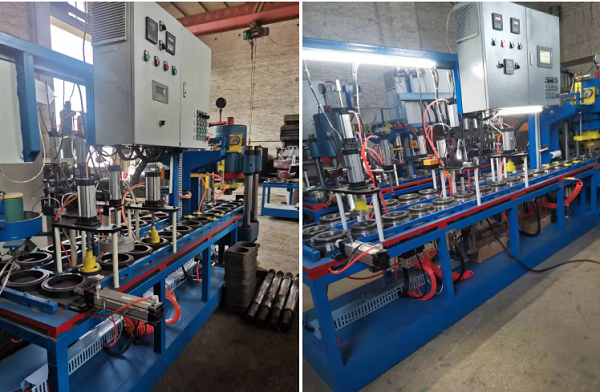
Introduction – What’s Changing?
Starting April 1, 2026, China will officially cancel the export value-added tax (VAT) rebate on certain abrasive products—including grinding wheels, sandpaper, abrasive cloth, and related tools. This adjustment comes as part of a broader export tax policy shift initiated by China’s Ministry of Finance and State Taxation Administration.
For many overseas buyers, this may come as a surprise—especially if you’ve relied on the previous export rebate system to maintain competitive pricing for abrasive tools. We understand the concerns this raises, so below we explain what this policy really means, why it was implemented, and how it may affect export pricing moving forward.
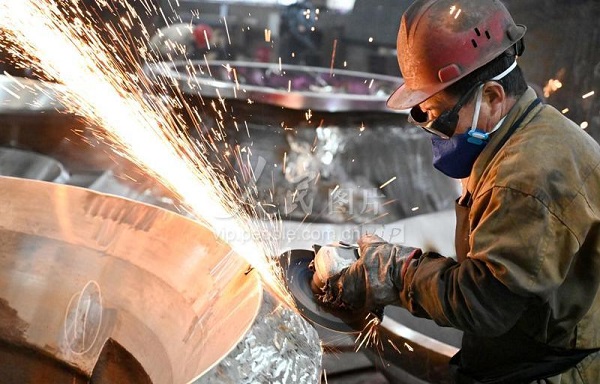
For decades, China’s export VAT rebate was a key mechanism designed to prevent “double taxation” on exported goods—and it helped many Chinese products gain price advantage overseas.
However, as industries matured and external pressures from global trade dynamics intensified, policymakers shifted focus:
· Reduce excessive export subsidy competition: to prevent “price wars” that squeeze industry margins
· Encourage rational pricing: guiding industries toward sustainable competitiveness
· Adjust economic incentives: helping domestic manufacturers adapt to global market conditions
This reflects a broader trend toward policy normalisation as China’s manufacturing competitiveness increases and the economy recalibrates its export incentives.

If your company sources grinding wheels or other abrasive tools from China, the export VAT rebate cancellation means exports will no long receive the VAT refund that used to be passed back to manufacturers and sometimes indirectly lowered FOB export pricing.
In simpler terms:
1. Exporters face higher tax costs, directly adding expense to export shipments.
2. Export prices may move upward, as suppliers adjust to cover tax cost rather than absorb it entirely.
3. Global pricing dynamics may shift, particularly where rebate had been a factor in competitive bids.
Importers should be aware that some suppliers may choose to front-load exports or adjust pricing terms for contracts spanning the transition period around April 1, 2026.
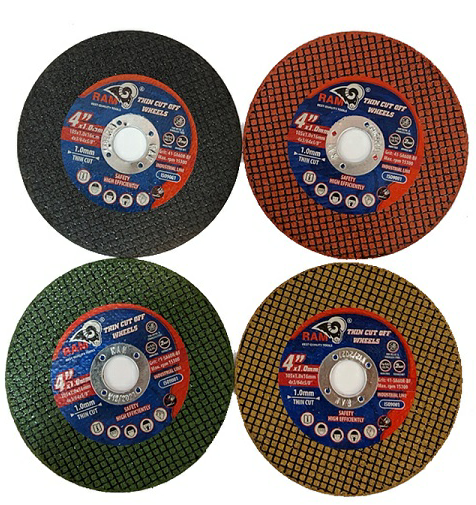
Why Prices May Increase – Not Because Suppliers Want It
It’s important to stress: price changes are a result of policy, not choice.
We’ve always aimed to offer fair and stable pricing to our customers. However, when a government policy directly affects the tax cost structure of exported products, suppliers are left with limited options: either absorb extra cost and suffer unsustainable margins or adjust prices to reflect actual export costs.
For many abrasive tool manufacturers, especially small-to-medium producers, absorbing the full VAT loss isn’t financially viable. This is not something importers caused—nor something suppliers prefer—but simply a policy-driven shift in cost structure that affects everyone in the supply chain.
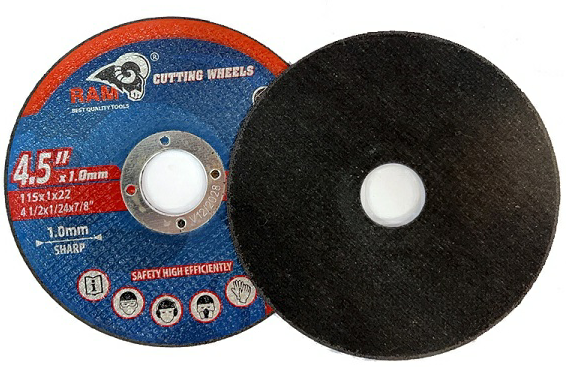
Positioning for the Future
Despite short-term pricing impacts, there are some reassuring points for buyers:
Chinese abrasive tools remain globally competitive due to improving production efficiency and quality.
Many buyers are procuring ahead of the policy date to lock in favorable terms.
Strategic partners and long-term orders may offer contract pricing protections if negotiated in advance.
We advise customers to review pricing strategies now, and communicate anticipated needs so suppliers can plan accordingly.
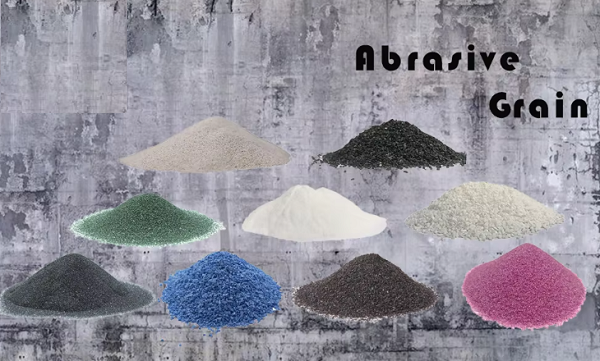
The cancellation of export tax rebates on abrasive products starting April 1,2026 is a policy-driven change, not a reflection of market demand or supplier preference. As suppliers and buyers alike adapt to this new reality, transparent communication and forward planning will be key to minimizing disruption.
We value our clients' trust, and remain committed to providing high-quality abrasive tools and honest market insight every step of the way.
Contact: Emma Wang
Phone: 86-13866745375
E-mail: emma@ramabrasives.com
Whatsapp:+86 18815696540
Add: No.711 Luzhou Avenue,Baohe District,Hefei City,Anhui Province,China
We chat