
emma@ramabrasives.com
86-13866745375
Burn marks, blue edges, or blackened stainless steel after cutting are common problems in many markets.
For distributors and end users, this issue often leads to:
· Customer complaints
· Reduced trust in product quality
· Repeat cutting work
· Increased material waste
But why does this happen? Let’s break it down professionally.
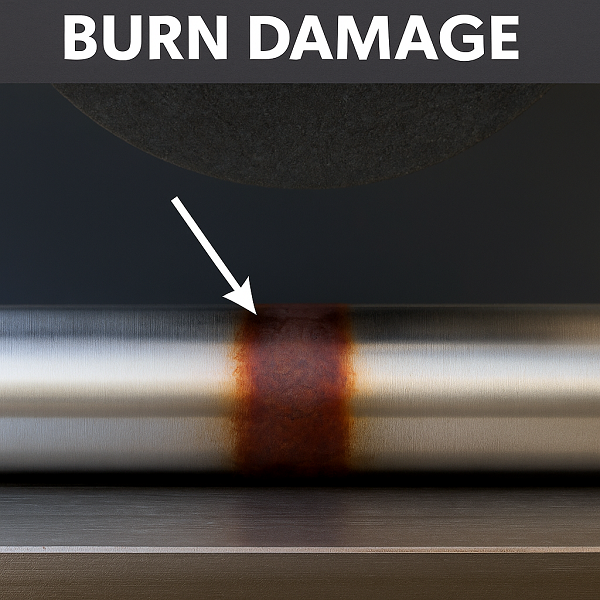
When stainless steel turns:
· Blue
· Dark brown
· Black
…it usually means excessive heat buildup during cutting.
Stainless steel has lower thermal conductivity than carbon steel. That means it does not dissipate heat quickly. If the cutting disc generates too much friction, heat accumulates rapidly at the cutting point.
Cheap cutting discs often use:
· Low-grade brown fused alumina
· Inconsistent grain size
· Weak bonding resin
This causes:
· More friction
· Slower cutting
· Higher temperature
For stainless steel, white aluminum oxide (WA) performs better than ordinary A grain.
WA has:
· Higher purity
· Sharper cutting edges
· Better self-sharpening ability
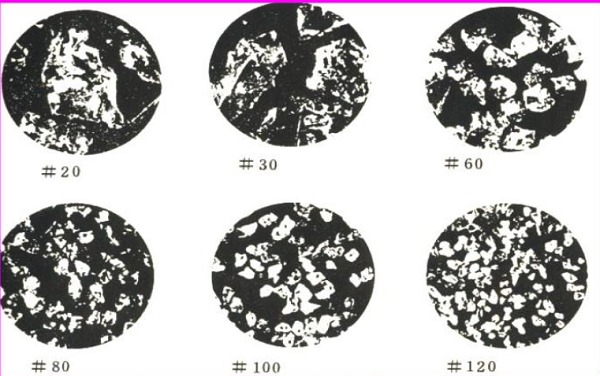
Thicker discs (like 2.5mm or 3mm) create:
· Larger friction surface
· More resistance
· More heat
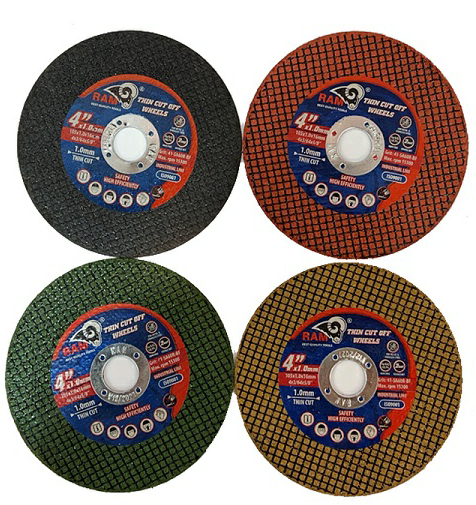
For stainless steel, thin discs such as:
· 1.0mm
· 1.2mm
…are preferred for cleaner and cooler cutting.
Here is a professional checklist for distributors and end users:
✔ Choose WA abrasive for stainless steel
✔ Select 1.0mm or 1.2mm thickness
✔ Ensure RPM compatibility
✔ Avoid over-pressure
✔ Buy from a factory that controls resin quality
✔ Ensure iron, sulfur, and chlorine content is low
Contact: Emma Wang
Phone: 86-13866745375
E-mail: emma@ramabrasives.com
Whatsapp:+86 18815696540
Add: No.711 Luzhou Avenue,Baohe District,Hefei City,Anhui Province,China
We chat