
emma@ramabrasives.com
86-13866745375
When sourcing cutting discs, many importers notice a surprising price difference between suppliers.
For the same 4 inch cutting disc, prices in the market may vary significantly.
Some products are offered at extremely low prices, while others cost noticeably more.
This raises an important question for buyers:
Why are some cutting discs so cheap?
The answer usually lies in differences in materials, manufacturing processes, and quality control.
1. Lower-Grade Abrasive Materials
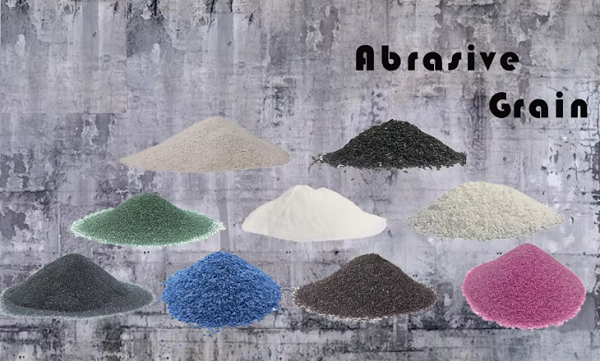
Abrasive grains are the main cutting component of the disc.
Higher-quality discs typically use:
· High purity aluminum oxide
· More consistent grain size
· Better hardness and sharpness
Cheaper products often use lower-grade abrasive grains with less consistent structure.
This may reduce cutting efficiency and increase heat generation during use.
2. Reduced Resin Content
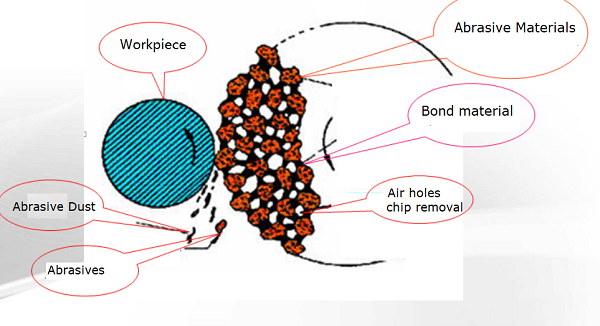
Resin plays a critical role in holding the abrasive grains together.
When manufacturers reduce resin content to lower costs, the disc may:
· Wear faster
· Lose structural strength
· Generate more vibration
High-quality cutting discs use heat-resistant phenolic resin to maintain stability during high-speed rotation.
3. Fewer Reinforcement Layers
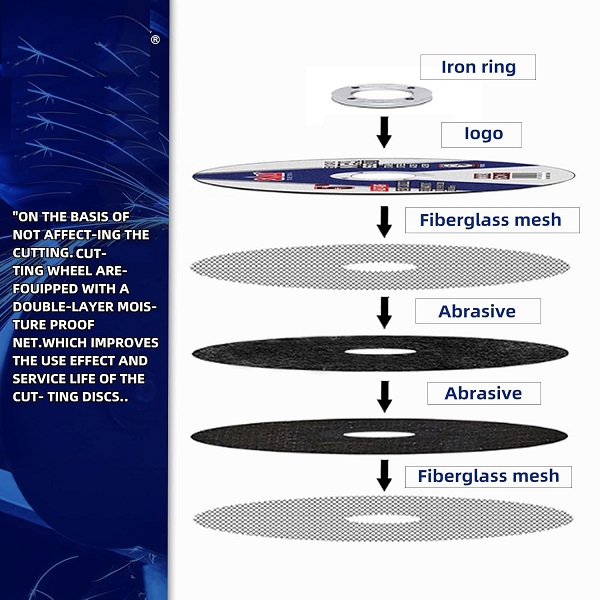
Fiberglass reinforcement mesh improves the strength and safety of cutting discs.
Most professional cutting discs include two reinforcement layers.
Some low-cost products may reduce the reinforcement layers or use thinner fiberglass mesh, which lowers production cost but can affect durability.
4. Simplified Production Process
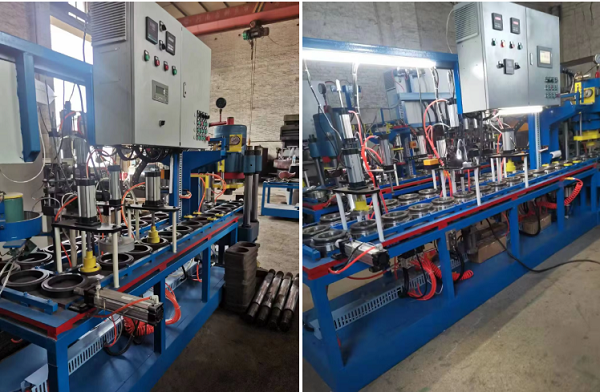
Manufacturing cutting discs involves several key steps:
1. Raw material mixing
2. Molding and pressing
3. Layer reinforcement
4. High-temperature curing
5. Quality inspection
To reduce costs, some factories may shorten curing time or simplify production procedures.
This can affect the overall performance and lifespan of the disc.
5. Limited Quality Control
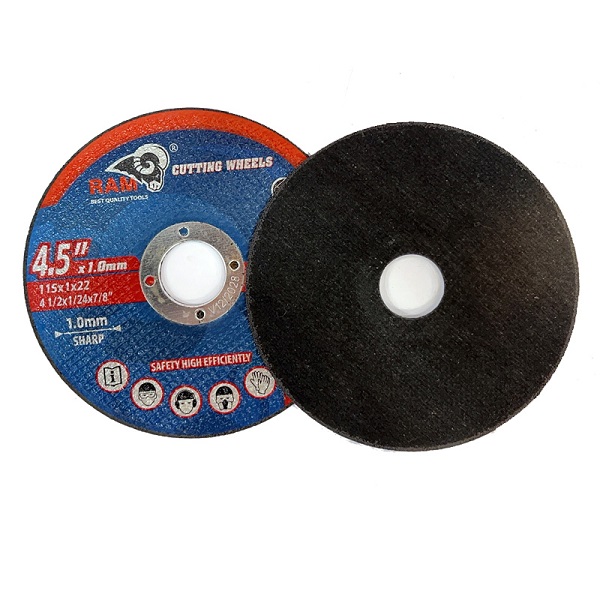
Reliable manufacturers perform multiple tests before shipping, such as:
· Rotational strength testing
· Balance testing
· Structural inspection
Extremely low-cost products sometimes skip certain quality control procedures to reduce production expenses.
While this lowers price, it may also increase the risk of inconsistent performance.
6. Why the Cheapest Option Is Not Always the Best Choice
For distributors and importers, focusing only on the lowest price can sometimes lead to higher long-term costs.
A slightly higher-quality cutting disc may offer:
Faster cutting performance
Longer service life
Fewer customer complaints
For many end users, this creates better overall value.
7. How Buyers Can Evaluate Cutting Disc Quality
When comparing suppliers, buyers should consider several factors beyond price:
· Abrasive grain quality
· Reinforcement structure
· Resin bonding strength
· Manufacturing consistency
· Supplier reliability
Understanding these factors helps importers choose products that balance price and performance.
Final Thoughts
Price differences in cutting discs usually reflect differences in materials, manufacturing standards, and quality control.
While extremely cheap products may seem attractive at first, buyers should evaluate the full picture to ensure consistent quality and customer satisfaction.
For distributors and importers, selecting the right balance between cost and performance is often the best long-term strategy.
Contact: Emma Wang
Phone: 86-13866745375
E-mail: emma@ramabrasives.com
Whatsapp:+86 18815696540
Add: No.711 Luzhou Avenue,Baohe District,Hefei City,Anhui Province,China
We chat